For Cari B. Rincker, farming is not a background detail, a professional talking point, or a lifestyle brand. It is a way of life that has shaped her values, her career, and her enduring commitment to agriculture and rural communities. The lessons learned through farming: responsibility, perseverance, adaptability, and respect for the land continue to influence how she approaches her work and the relationships she builds with the people and families she serves.
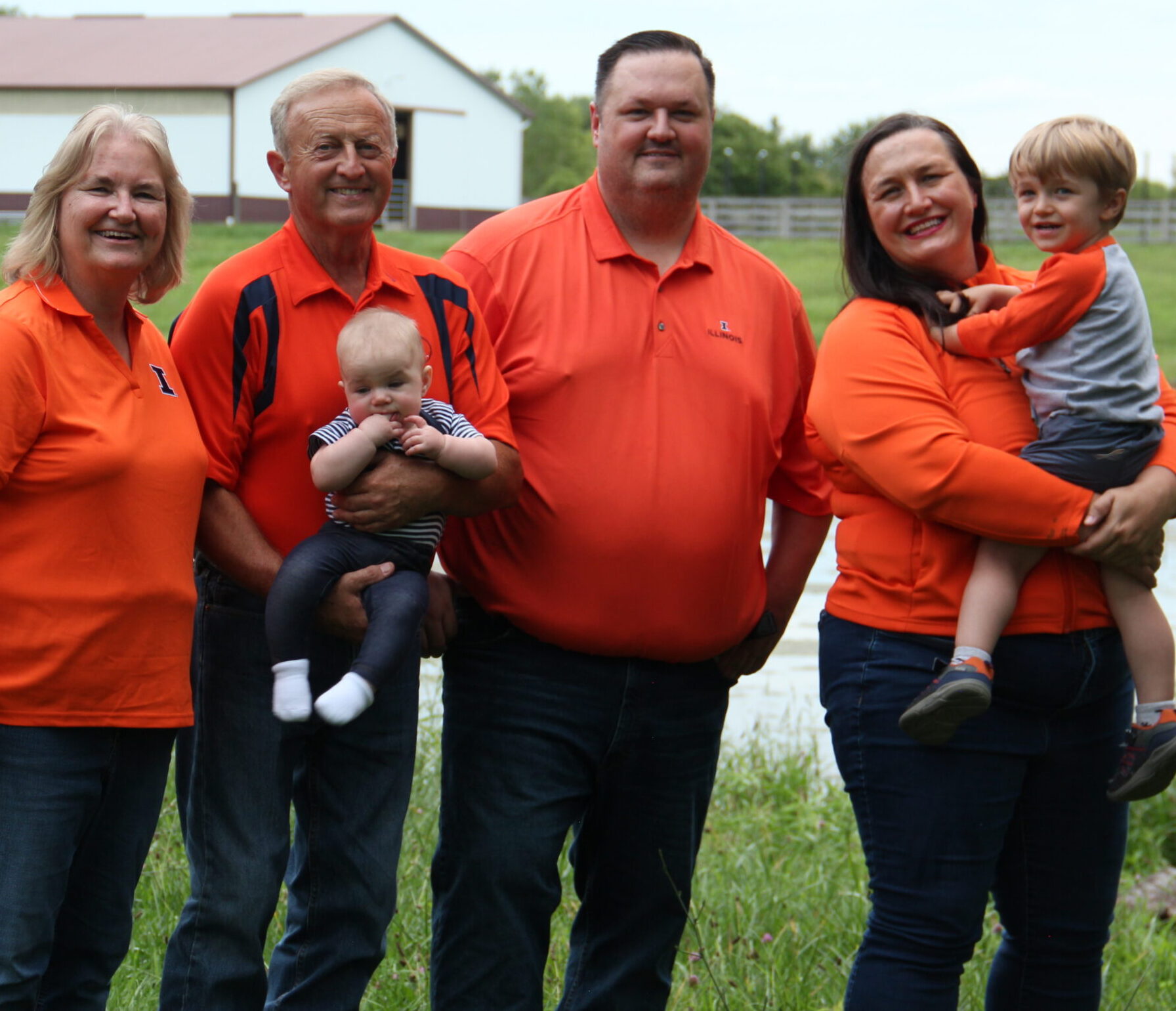
Cari was raised on a multi-generation family farm and remains actively involved in farming today. Her connection to agriculture is lived, not learned from afar. She understands the daily demands, long-term decisions, financial realities, and personal sacrifices that are part of agricultural life. That hands-on experience gives her a practical and deeply personal perspective that informs how she approaches law, advocacy, education, stewardship, and the preservation of farm legacies for future generations.
Her passion for agriculture also inspires her to continually expand her knowledge and give back to the broader agricultural law community. Through her writing, speaking, teaching, and professional leadership, including her involvement with the Illinois State Bar Association’s Agricultural Law Section Council and its newsletter—Cari shares practical insight, supports continuing legal education, and helps advance important conversations affecting farmers, landowners, agribusinesses, and rural families. She views this work as both a professional responsibility and a meaningful way to strengthen the agricultural community that has shaped her life.
A Multi-Generation Family Farm
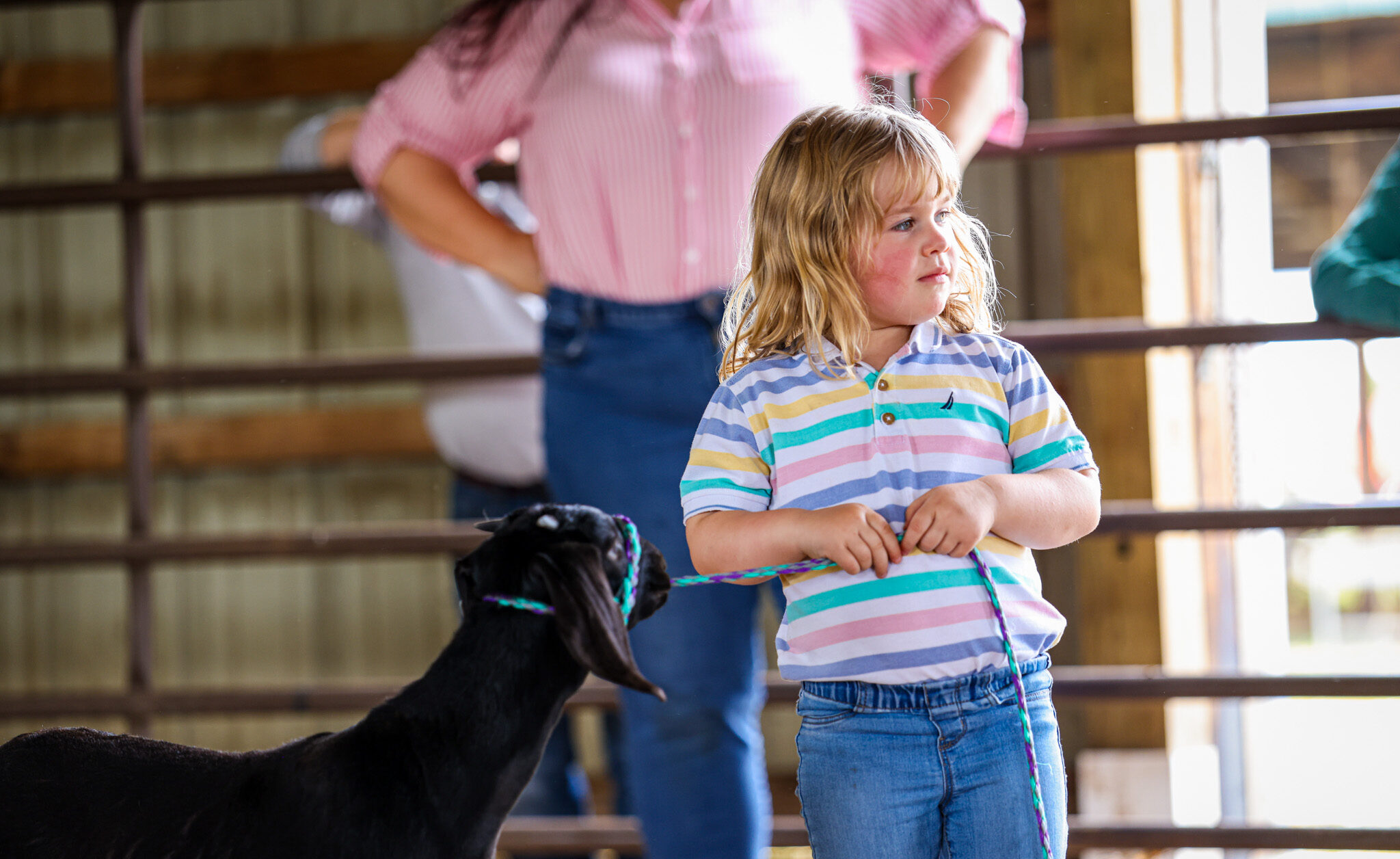
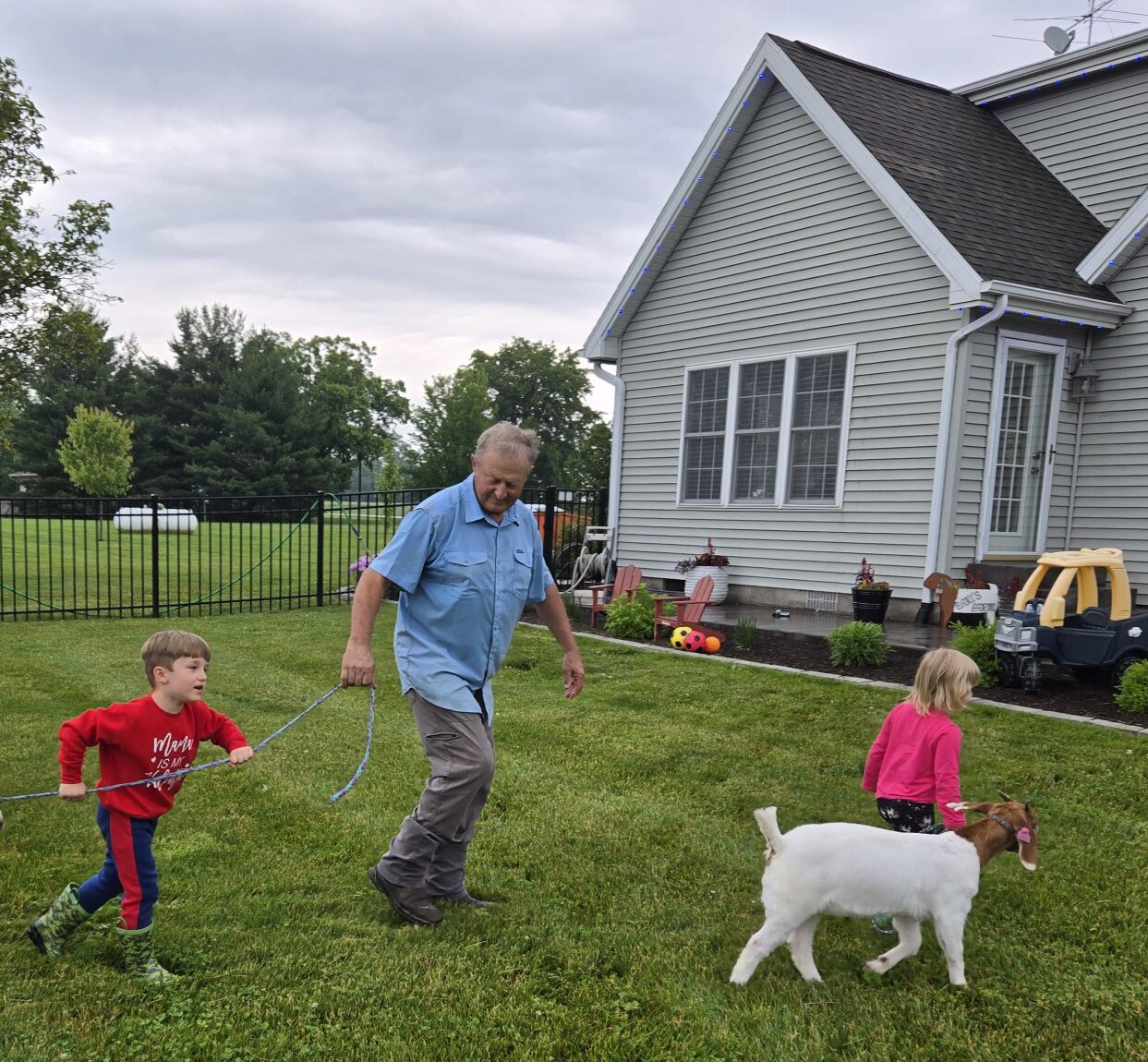
Cari’s family operates a beef cattle and row crop operation rooted in long-term stewardship, responsibility, and continuity. Growing up in this environment instilled an understanding that farming is not simply a business. It is a legacy built over time, shaped by land, family relationships, and the decisions made across generations.
Being part of a multi-generation operation taught Cari the realities farm families face, including the pressure of succession planning, the complexity of shared ownership, the emotional weight of land decisions, and the importance of thinking beyond the present moment.
More information about the family’s cattle operation can be found at: www.CarisFarm.com

Cari’s Farm LLC
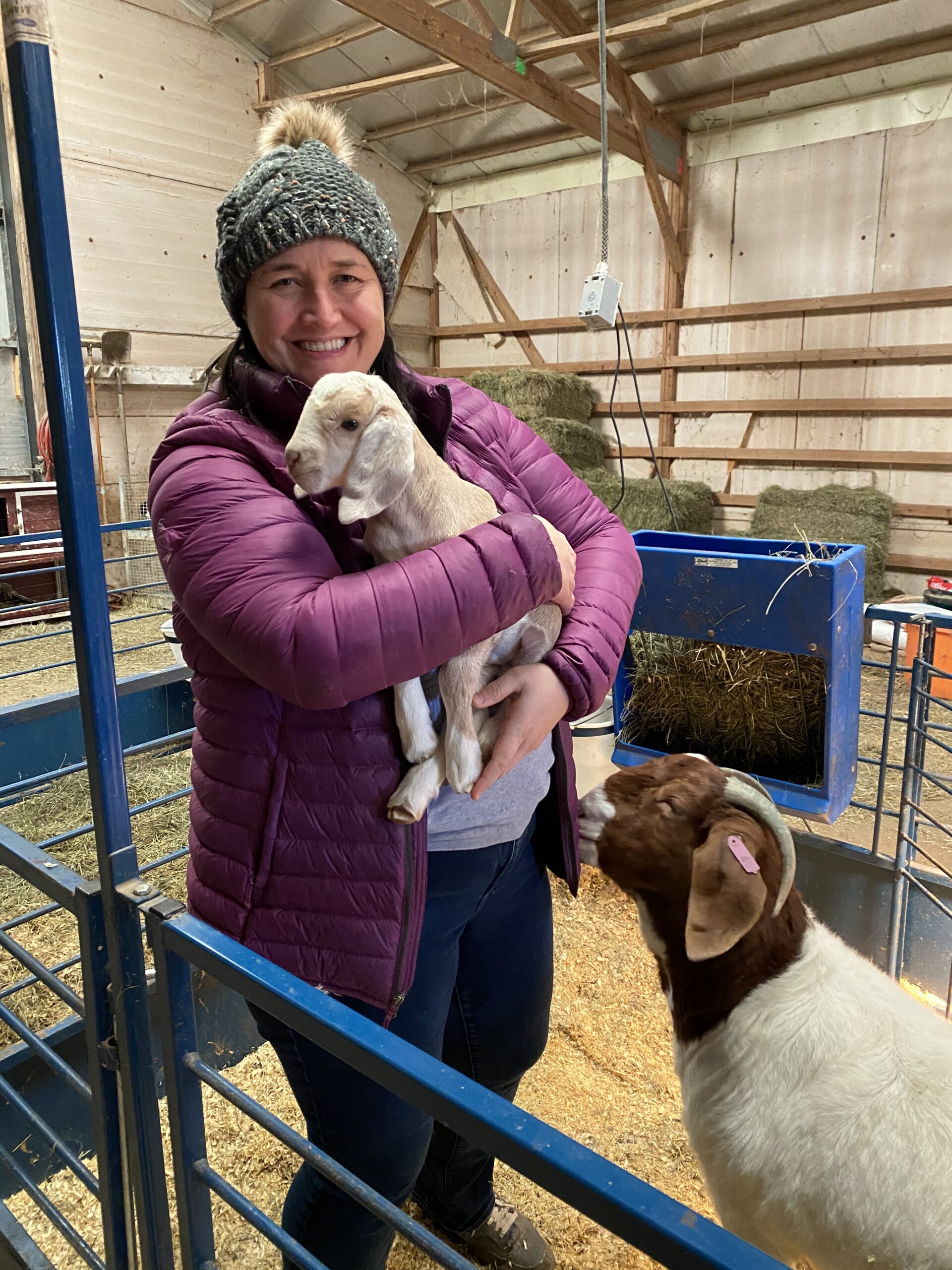
In addition to her family’s operation, Cari personally operates a small farm where she raises goats, chickens, and rabbits. Remaining hands-on in farming allows her to stay grounded in the daily responsibilities and challenges agricultural families experience.
Managing a small farm involves constant decision-making, problem-solving, and adaptability. It reinforces the realities of animal care, land management, time constraints, and financial investment that come with agricultural life.
Cari believes that staying directly involved in farming strengthens her work as an attorney, educator, and advocate because it keeps her perspective current and practical.
Direct-to-Consumer Beef
Cari also offers beef directly to consumers through custom processing. Beef is available for purchase by:
- Quarter
- Half
- Whole
Custom processing is used to ensure transparency, quality, and care throughout the process. This direct-to-consumer approach reflects Cari’s belief in supporting local agriculture, informed food sourcing, and responsible stewardship from pasture to plate.
Those interested in purchasing beef or learning more about availability may contact Cari directly through the website.
Why Farming Matters to Her Work

A Commitment to Stewardship
Everything Cari does as a farmer, attorney, educator, and advocate is guided by a core principle:
Preserving the Farm Legacy℠ for Future Generations
This philosophy reflects her belief that agriculture is not only about production. It is also about people, place, responsibility, and continuity. Farms carry family histories, community ties, financial commitments, and hopes for the future. Protecting that legacy requires thoughtful planning, practical decision-making, and respect for both the land and the people who depend on it.
Cari brings this stewardship mindset to every aspect of her work. Whether she is caring for animals, advising a farm family, educating other professionals, or speaking about agricultural issues, she remains focused on the long-term impact of the decisions being made today. Her approach honors the generations who built the foundation while helping prepare the next generation to carry it forward with confidence and purpose.
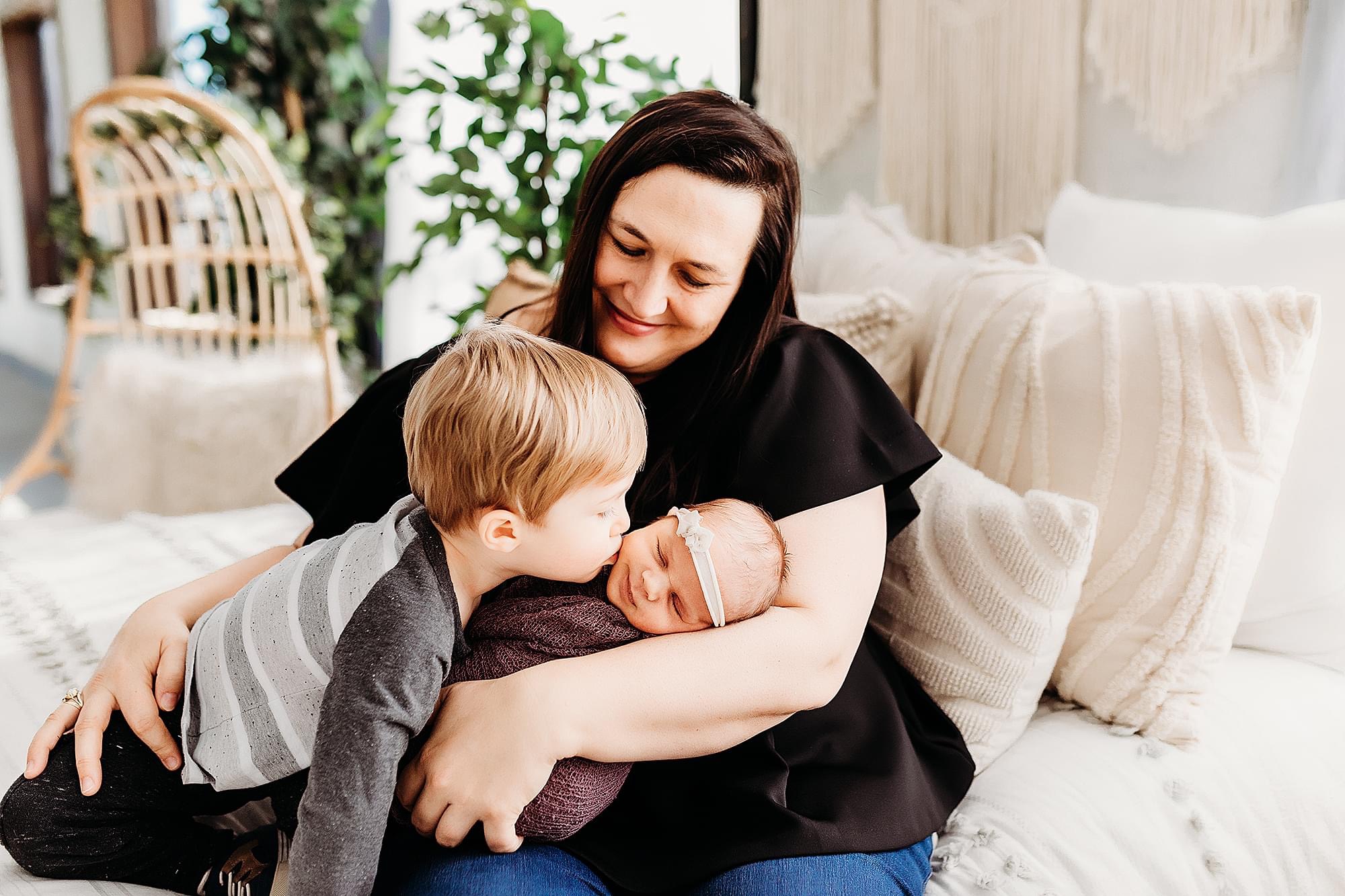
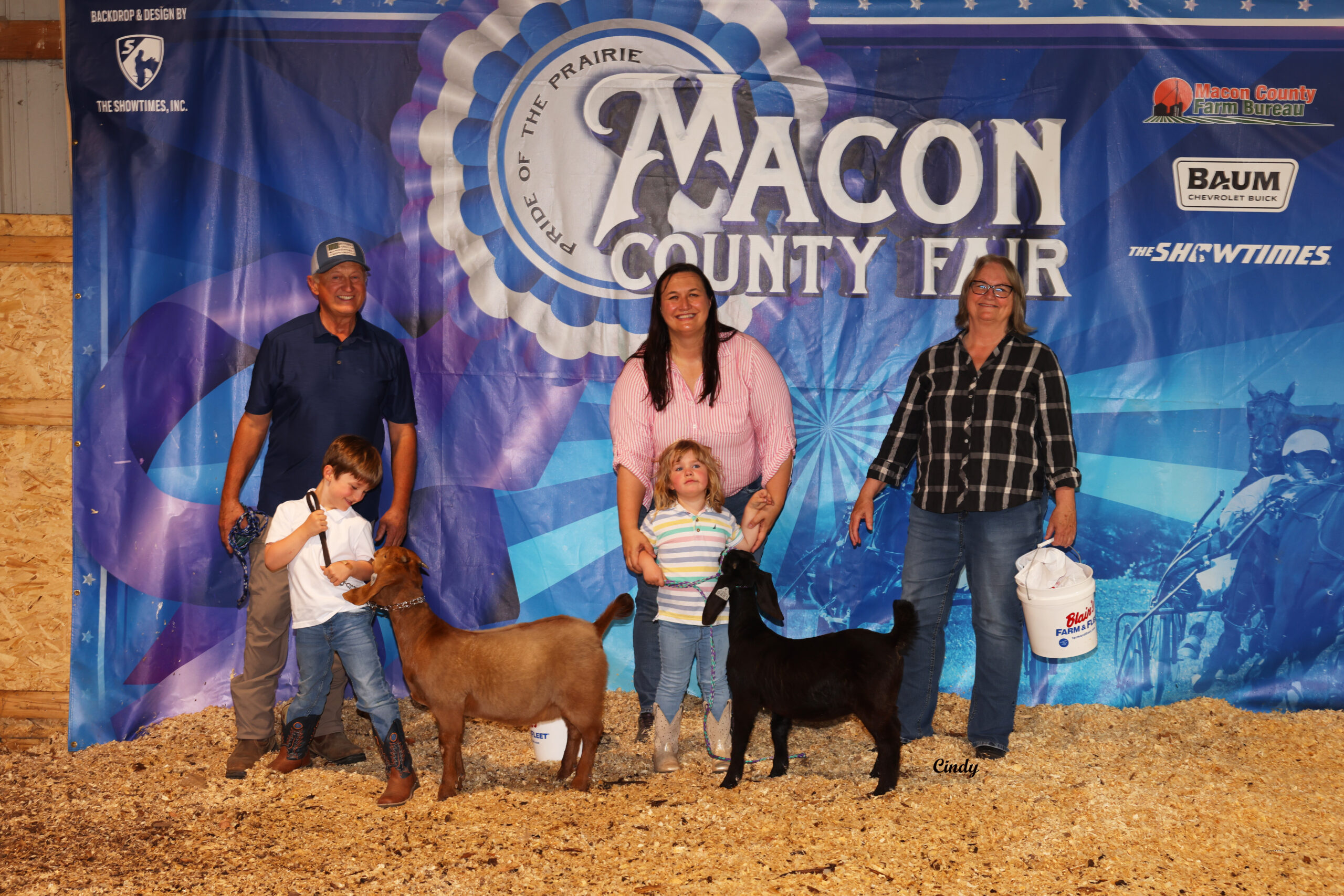

“Agriculture has always been deeply personal to me because a farm is never just land, livestock, or a business. It represents generations of work, sacrifice, identity, and hope for what comes next. My passion for agricultural law comes from helping farm families protect what they have built, make thoughtful decisions for the future, and preserve a legacy that can continue long after any one generation. Stewardship means honoring the people who came before us while taking responsibility for the land, the business, and the opportunities we leave behind.”
— Cari B. Rincker, Esq.